Best Start Foods - £2.3 million still unspent

Laura Houston • 20 February 2023

Families are being urged to check the balance on their Best Start Foods pre-paid card, as there is £2.3 million in payments which have been issued to cards but have not yet been spent.


Best Start Foods helps eligible people with the purchase of healthy food and milk when they are pregnant or have children under the age of three. Once issued with their pre-pay card, people automatically receive a payment of £36.00 for each eligible child every four weeks.


It has been advised that since launching in 2019, 7039 of the cards which have been issued, have never been activated, and a further 3,260 have been activated by never used. This could mean that people have unknowingly built up large balances.


Social Security Scotland is encouraging families to make use of these cards and have already written to some families to urge them to check the balance on their cards via the online system, at a cash machine, or by calling the card issuer, ‘Allpay’. To check their balance at a cash machine, people should enter their 4-digit PIN.


  • The Scottish Government replaced the UK Healthy Start Voucher scheme in Scotland with Best Start Foods on 12 August 2019

  • The Best Start Foods scheme is a prepaid card that can be used in shops or online to buy healthy food, for example, cow’s milk, first infant formula milk, fruit and vegetables, pulses, and eggs. It is:

  • £18 every 4 weeks during pregnancy – the payment amount is per pregnancy. This means the payment amount is the same whether you're pregnant with one baby, or if you're having twins or triplets.

  • £36 every 4 weeks from your child being born up until they're one year old, or until the first anniversary of their estimated delivery date (whichever is later)

  • £18 every 4 weeks when your child is between the ages of one and 3 years old.


If you, or anyone you know, lives in North Ayrshire and needs assistance with this, or any other issue relating to benefits, housing, or debt; do not hesitate to get in touch. One of our experienced advisers will be happy to help. You can call us for free on 030 0002 0002 or contact us through the live chat service on the website.

by John Edgar • 16 November 2026
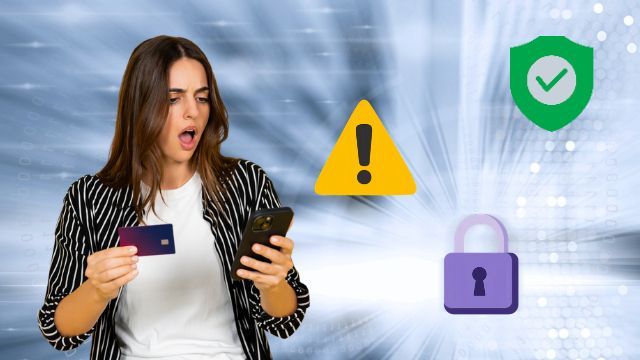
Too good to be true? Let's look at some of the scams to watch out for and how to keep safe. As Black Friday approaches and Christmas shopping gets underway, many of us will be looking for ways to make our money go further. Whether it’s searching for discounted gifts, ordering presents online or keeping an eye out for a delivery, this is a busy time of year for shoppers. Unfortunately, it’s also a busy time for scammers. Criminals know that people are looking for bargains, expecting parcels and perhaps feeling under pressure to get everything organised before Christmas. They use this to their advantage, creating convincing websites, sending fake messages and impersonating people or organisations that we trust. Scams are becoming increasingly sophisticated, with artificial intelligence (AI) making it easier for criminals to create realistic websites, fake images and even convincing copies of someone’s voice. Here are some common scams to look out for and some simple steps you can take to protect yourself. 1. Fake delivery messages With more people shopping online in the run-up to Christmas, fake delivery messages are particularly common. You might receive a text or email claiming that a parcel couldn't be delivered, that additional postage or customs fees are due, or that your delivery details need updating. The message will often include a link to a website that looks like it belongs to a genuine delivery company. The aim is to persuade you to enter your personal or bank details, or make a small payment that gives criminals access to your financial information. Watch out for: - Unexpected messages claiming a delivery has failed or been delayed. - Requests to pay additional postage, customs fees or redelivery charges. - Links asking you to update delivery details or make a payment. How to stay safe: Don't click on links in unexpected delivery messages. If you're waiting for a parcel, check its progress directly through the delivery company's official website or app. You can also forward suspicious text messages to 7726 (free of charge), helping your mobile provider investigate and block scam messages. 2. Fake online shops and Black Friday bargains Black Friday and Cyber Monday can offer genuine discounts, but scammers also use the sales period to catch out unwary bargain hunters. Fake online shops can look remarkably professional, sometimes copying the branding and layout of well-known retailers. Fraudsters also use social media adverts, fake retailer accounts and tempting discount codes to direct people towards fraudulent websites. You could end up paying for an item that never arrives, receive a counterfeit product or discover that your credit/debit card details have been stolen. Watch out for: - Prices that are dramatically lower than those offered by other retailers. - Unfamiliar websites with little or no independent customer feedback. - Social media adverts offering unbelievable discounts on popular products. - Pressure to buy immediately because an offer is supposedly about to expire. - Requests to pay by bank transfer or gift card rather than a recognised payment method. How to stay safe: Research the retailer thoroughly before buying anything. Check independent reviews, look carefully at the website address and make sure contact details and returns information are available. If you see an offer on social media, visit the retailer's official website separately to check whether it is genuine. Remember, a padlock symbol in the website address doesn't always guarantee that a shop is legitimate. 3. Family and friend impersonation scams Imagine receiving a message from someone claiming to be your son, daughter or another family member. They say they've lost their phone, are using a temporary phone number and urgently need money. These messages often create a sense of panic, with the sender claiming to be in trouble or facing an unexpected bill. They may ask you to transfer money quickly and keep the situation secret. Criminals are also using AI to clone voices, making phone calls or voice messages sound like they're coming from someone you know. Watch out for: - Messages claiming a familiar number is no longer in use. - Unexpected requests for money, particularly if they're urgent. - Requests for secrecy or unusual payment methods. - Calls or voice messages that sound familiar but involve an unexpected emergency. How to stay safe: Always verify the person's identity independently. Call the number you already have saved for them, rather than replying to the new number. Agreeing to use a family password or codeword can also help. Never feel pressured into making an immediate payment. 4. Bank account fraud In this scam, criminals impersonate someone from your bank, the police or another trusted organisation. They may claim that your bank account has been compromised or that your cards are being used fraudulently. They then persuade you to withdraw cash, buy valuable items or hand over your bank cards to a courier who will supposedly collect them for safekeeping. Watch out for: - Unexpected calls claiming to be from your bank or the police. - Requests to withdraw cash, transfer money or buy expensive items. - Offers to send a courier to collect your bank card, cash or valuables. - Requests for your PIN, passwords or security codes. How to stay safe: Your bank or the police will never ask you to hand over your bank cards, PIN or cash to a courier. End the call and contact your bank using the number on your card or its official website. Never rely on a number supplied by the caller as it's likely to be one they also control. 5. Fake investment opportunities Investment scams can appear at any time of year. Criminals often promote opportunities through social media, emails, text messages or unexpected phone calls, promising unusually high returns with little or no risk. They may use professional-looking websites, fake testimonials and even impersonate legitimate investment companies to appear trustworthy. Some schemes encourage people to invest in cryptocurrency or other unfamiliar products. Watch out for: - Promises of guaranteed or unusually high returns. - Unexpected investment offers through social media, emails or phone calls. - Pressure to invest quickly or keep the opportunity secret. - People claiming that an investment is low-risk or completely risk-free. How to stay safe: Be sceptical of promises that sound too good to be true. Research the company independently and check the Financial Conduct Authority's (FCA) Financial Services Register and Warning List. Take time to seek independent financial advice before investing, and never make a decision because someone is pressuring you. 6. Online marketplace scams Buying and selling through platforms such as Facebook Marketplace, Vinted, Ebay and other online marketplaces can be a useful way to find second-hand bargains or make a little extra money before Christmas. However, criminals also use these platforms to target both buyers and sellers. Buyers might pay for an item that never arrives, while sellers can be targeted by fake buyers who send fraudulent payment confirmations or claim that an additional courier or insurance fee must be paid before an item can be collected. Watch out for: - Sellers offering expensive or popular products at suspiciously low prices. - Buyers who offer to pay without seeing the item and insist on using an unfamiliar courier. - Requests for advance payments for courier insurance or delivery fees. - Screenshots or emails claiming payment has been made, when the money hasn't appeared in your account. How to stay safe: Check seller profiles and independent feedback, use the platform's recommended payment arrangements and avoid moving conversations or payments away from the platform. If you're selling, always check that money has actually arrived in your account before handing over an item. Black Friday: Is it really a bargain? Scams aren't the only thing to be wary of during the Black Friday sales. It's also worth taking a moment to think about whether you're spending money on things you genuinely need. The excitement surrounding big discounts, countdowns and limited-time offers can make it easy to buy something simply because it appears to be a bargain. But if you weren't planning to buy it in the first place, are you really saving money? Before making a purchase, consider: - Do I actually need it? A discounted item is still money leaving your bank account. - Have I checked the price elsewhere? Compare prices with other reputable retailers rather than relying on the advertised saving. - Can I afford it? Think about your essential bills and other commitments before spending. - Am I using credit or Buy Now, Pay Later? Remember that these are forms of borrowing. Repayments can quickly add up, particularly if you use several different services. - Would I still buy it tomorrow? Taking a little time to think can help you avoid impulse purchases. Christmas can bring additional financial pressure, especially for households already managing tight budgets. There's no need to get into debt to keep up with expectations or buy things that aren't essential. A thoughtful purchase within your budget is far better than a bargain that leaves you struggling with repayments in the new year. What should you do if you've been scammed? Anyone can fall victim to a scam. Criminals are experienced at making fraudulent messages, calls and websites appear genuine, so there's no need to feel embarrassed if you've been caught out. If you think you've been scammed: 1. Contact your bank immediately using the number on your card or its official website. Explain what has happened and ask them to protect your account and stop any further payments. 2. Change any compromised passwords, particularly if you've shared login details. Use different passwords for important accounts. 3. Report the incident to Police Scotland by calling 101 or using its online reporting service. Call 999 if a crime is happening now or someone is in immediate danger. 4. Report suspicious messages and adverts. You can forward scam texts to 7726 and report suspicious emails to the National Cyber Security Centre. 5. Seek consumer advice if you've been misled or have a problem with a purchase. Advice Direct Scotland provides free consumer advice on 0808 164 6000 . CHAP is here to help Scams and unexpected financial losses can have a serious impact on household finances. For some people, this can lead to debt, missed bills and additional stress at an already difficult time of year. If you're struggling with money, worried about debt or finding it difficult to manage your household finances, CHAP can help. We provide free, independent and confidential money advice, helping people understand their options, deal with debt and work towards improving their financial situation. You don't need to wait until things reach crisis point before asking for support. Getting advice early can make a real difference and provides more options. For free, confidential advice, contact us on Freephone 030 0002 0002 . A final reminder: If an offer looks too good to be true, take a moment to stop, think and check before handing over your money or personal details. And remember - the best Christmas present is one you can afford.
by John Edgar • 2 November 2026
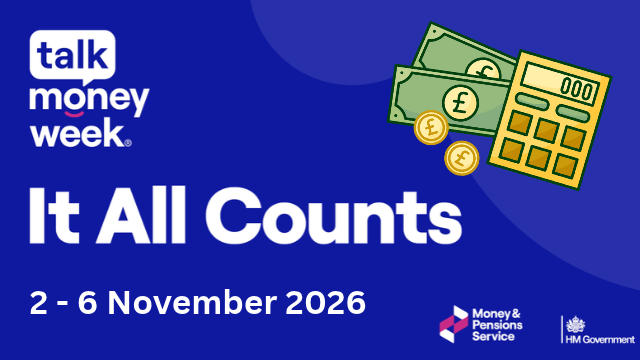
Talking about money isn't always easy; but starting a conversation can make a real difference. Whether it's worrying about household bills, managing debt, making ends meet or simply trying to save a little for the future, finances can be a difficult subject to bring up. This week (2–6 November) marks Talk Money Week 2026, an annual campaign led by the Money and Pensions Service, encouraging people across the UK to have more open conversations about their finances. This year's theme is ' It All Counts ', highlighting how even small, manageable actions can help improve our financial wellbeing. Why is talking about money so important? Although money affects almost every aspect of our lives, many people still find it difficult to discuss their financial circumstances with family, friends or even those who could help them. Financial pressures can be caused by many different circumstances, including rising living costs, changes in employment, relationship breakdown, unexpected expenses or a reduction in household income. These situations can happen to anyone, and there should be no shame in asking questions or seeking support. Research highlighted by the Money and Pensions Service shows that people who talk about money are more likely to make better financial decisions, develop stronger personal relationships, help their children establish positive money habits and feel less stressed or anxious about their finances. Importantly, talking about money doesn't have to mean discussing debt or financial difficulties. It can be as simple as comparing household bills, discussing a savings goal, sharing budgeting tips or asking someone how they manage their money. Sometimes, just knowing that you're not alone can make a difference. Small steps can make a big changes The ' It All Counts ' message is about recognising that improving our financial wellbeing doesn't necessarily require major changes or complicated financial plans. There are plenty of small, practical steps we can take to feel more confident and in control of our money: Understand your spending - Take a little time to look carefully at where your money goes each month. Knowing what comes in and what goes out is always a good starting point. Regularly check your household bills - Could you save money by comparing energy, broadband or insurance deals? Set a savings goal - Even putting aside a small amount regularly can help build a financial safety net over time. Be aware of credit and borrowing - Understand the costs of borrowing, including interest rates, APR and Buy Now, Pay Later agreements, before committing. Talk to someone - If you're struggling to manage financially, share your concerns with someone you trust or seek independent advice from a professional service such as CHAP. There is no single solution that works for everyone. What matters is finding manageable steps that work for your own personal circumstances. Talking about money with young people An important part of improving financial wellbeing is making sure that children and young people develop the knowledge, confidence and skills they need to make informed financial decisions throughout their lives. Money habits begin forming at an early age, so introducing conversations about money at home and reinforcing these lessons through education can have a lasting impact. At CHAP, our Education Team delivers our the ' Life Skills ' programme in secondary schools, helping young people develop practical financial knowledge and prepare for the financial responsibilities they will encounter as they get older. Through interactive workshops, pupils explore topics including banking, budgeting, saving, credit and APR, credit scores, avoiding debt and planning for the future. We also cover areas such as pensions, student finance, tenancy and housing, homelessness awareness and managing money when moving into independent living. Talking about these subjects in the classroom helps make money and finances less intimidating and gives young people the opportunity to ask questions, challenge misconceptions and understand the potential consequences of financial decisions - all in a safe and supportive environment. We believe that financial education shouldn't begin when someone receives their first payslip, takes out their first credit agreement or moves into their first home. By starting these conversations during secondary school, we can help young people build confidence, recognise financial risks and develop positive habits that will stay with them into adulthood. Our Life Skills programme is built around the belief that building financial confidence in young people today can help create stronger financial futures tomorrow . It's never too early - or too late - to ask for help For some people, talking about money can be the first step towards addressing financial difficulties that may have been building for months or even years. At CHAP, we provide free, independent and confidential advice and support to individuals and families in Ayrshire. Our advisers can help with a range of issues, including: Money and debt advice - Support to understand your financial situation, manage debts and explore possible solutions. Welfare rights and benefits - Help to check benefit entitlement, maximise household income and complete applications. Housing advice - Support with tenancy issues, homelessness risk and housing-related difficulties. Mortgage support - Through our Ayrshire Homelessness and Prevention (AHAP) service, we provide free financial advice and legal support to eligible homeowners in Ayrshire who are struggling with their mortgage payments. You don't need to wait until things reach crisis point before asking for help. Getting advice early can help you understand your options and take steps towards improving your situation. If you're looking for wider information about managing your money, the MoneyHelper website ( https://www.moneyhelper.org.uk/ ) also provides free, impartial and government-backed guidance on budgeting, savings, credit, debt, pensions and more. Let's make talking about money the norm Talk Money Week is a reminder that financial wellbeing is something we should all feel comfortable discussing, not just when times are difficult or we reach crisis point. Whether it's checking a household bill, setting a savings goal, speaking to a family member about budgeting or helping a young person understand how money works, every conversation and every small step counts. At CHAP, we're proud to support the message behind Talk Money Week and will continue working with individuals, families, schools and our community partners to improve financial confidence and wellbeing in Ayrshire. This week, why not start a conversation? What one small step could you take to improve your financial wellbeing? If you, or someone you know, need support then please call Freephone 030 0002 0002 to arrange an appointment. Find out more about the campaign: https://maps.org.uk/en/our-work/talk-money-week
by John Edgar • 20 October 2026
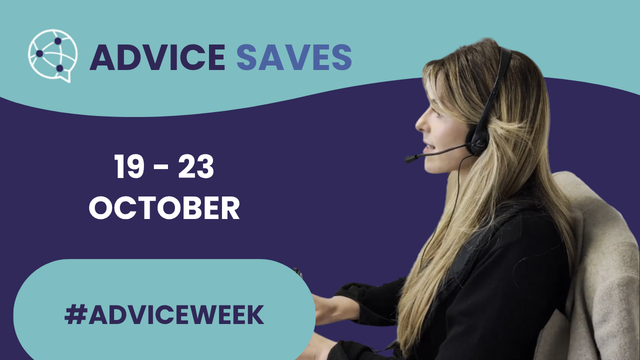
Advice Saves Week (19 - 23 October 2026) celebrates the life-changing impact of free, independent advice and highlights why advice services must be recognised as essential local services. Everyone deserves access to the right advice when they need it. Yet when someone is struggling with debt, facing housing difficulties, experiencing financial hardship or trying to navigate a complicated benefits system, knowing where to turn can often be difficult. Getting the right advice at the right time can make all the difference. It can help people understand their rights, access the support they're entitled to, resolve problems before they escalate and regain confidence during some of life's most challenging moments. That's the message behind Advice Saves , the annual campaign led by AdviceUK to celebrate the work of advice organisations across the UK and champion the importance of sustainable, long-term investment in the advice sector. The difference advice makes The impact of advice extends far beyond resolving an immediate problem. For someone struggling to keep up with household bills, advice might help them access financial support they didn't know they were entitled to. For someone facing the possibility of losing their home, it could help them understand their rights, options and take steps to prevent homelessness. For someone dealing with unmanageable debt, it can provide a practical route towards greater financial stability. Just as importantly, advice can reduce stress, restore confidence and help people feel less alone when circumstances become overwhelming. This is often reflected in the feedback we regularly receive from our clients:: “ Thanks so much for all your help and support. It’s been a struggle the last year and I couldn’t have dealt with it all without your support .” Behind every successful outcome is a person whose circumstances matter. Advice is not simply about providing information; it's about understanding individual situations, explaining available options and helping people make informed decisions about their futures. Why advice services are essential to our communities Professional, independent advice services play such an important role in helping individuals and families navigate an increasingly complex range of financial, housing and welfare challenges. They can also help prevent difficulties from becoming crises. Early intervention can reduce the risk of escalating debt, housing insecurity and financial hardship, while helping people access the right support before their circumstances deteriorate. This can benefit not only the individual receiving advice, but also their families, communities and other public services. However, advice organisations are operating in a challenging environment. Growing demand, increasingly complex cases and uncertainty around funding can make it difficult to ensure that support remains accessible to everyone who needs it. Advice services cannot be expected to meet growing needs indefinitely without the resources to do so. Advice Saves Week is call for sustainable, ring-fenced funding for the advice sector and a national advice workforce strategy that recognises and supports the skilled workforce delivering these vital services. These are important steps towards ensuring that independent advice remains available to communities, both now and in the future. Looking beyond today's problems While advice is vital when people are currently facing difficulties, there is also an important role for prevention. Helping people understand their rights, manage their money effectively, recognise financial risks and make informed decisions can strengthen their ability to deal with challenges before they become overwhelming. Financial education and early support are important parts of this picture. By giving people the knowledge and confidence to navigate financial and housing decisions, we can help build stronger foundations for the future. This is particularly important for younger generations. Improving financial knowledge and understanding today can help people make informed choices throughout their lives, alongside ensuring that appropriate advice remains available whenever circumstances change. CHAP: More than 25 years of supporting people CHAP has been providing free, independent and confidential advice to people across Ayrshire for more than 25 years; supporting individuals and families with housing, welfare rights and money-related issues. Our work reflects the wider importance of independent advice: helping people understand their options, access the support available to them and find a way forward when they face difficult circumstances. Alongside our advice services, CHAP also delivers financial education to young people, helping them develop practical knowledge and skills around money management, budgeting, credit and independent living. We see every day why accessible, reliable advice matters. But we also recognise that CHAP is part of a much wider network of organisations working across the UK to support people and strengthen communities. Advice Saves Week is an opportunity to recognise the collective contribution of these services and the dedicated people who deliver them. Advice saves. Investment matters. Everyone should be able to access good-quality, independent advice when they need it, regardless of their circumstances or where they live. Achieving this requires more than recognising the value of advice. It requires a commitment to the long-term funding, skilled workforce and resources that allow advice organisations to plan ahead, respond to demand and continue delivering effective support. This Advice Saves Week, we're proud to stand alongside AdviceUK and advice organisations across Scotland in highlighting the difference advice makes and calling for the investment needed to protect these essential services. Because when people receive the right advice at the right time, it can literally change the course of their lives - and that helps to build stronger, more resilient communities. Hope. Help. Home. If you, or someone you know, need advice then please call Freephone 030 0002 0002 to arrange an appointment. Find out more about the campaign: https://www.adviceuk.org.uk/advicesaves/
by John Edgar • 12 October 2026
We were delighted to welcome Simita Kumar MSP, Minister for Equalities and International Development, to the CHAP office on October 7th. During her visit, the Minister met with CHAP staff and trustees and heard about the vital work we do across housing, homelessness, welfare rights, money and debt, as well as our Education Service and preventative work with young people. The visit also provided an opportunity to discuss some of the challenges facing individuals and families experiencing financial hardship, housing difficulties and debt, and the important role played by independent advice organisations in helping people to access the support and additional income which they could be entitled to. In 2025, CHAP secured more than £4.278 million in financial gains for the people it supported, demonstrating the significant impact that professional advice can have on financial wellbeing and security. Debbie Alexander, CEO of CHAP, said: “ We were absolutely delighted to welcome Minister Kumar to CHAP and to have the opportunity to showcase the breadth of our work over the last 25 years. It was especially valuable to discuss the challenges we are seeing through increased demand for our services and the difference that accessible advice can make to individuals and families across Ayrshire communities – particularly at a time when the cost-of-living crisis continues to stretch household budgets .” Ms. Kumar also heard about our award-winning Education Service, which provides financial, housing and independent living education to pupils and young people. CHAP has been delivering homelessness awareness and financial education sessions in North Ayrshire secondary schools since 2005, with the programme covering practical subjects including budgeting, banking, saving, credit scores, debt, future planning, pensions, housing and preparing for independent living. Our Education Team also delivered sessions in Dumfries & Galloway, where the Life Skills programme was recently recognised with winning the Climate Action Award at the Morgan Sindall Supply Chain Awards. Robin Ballantyne, Head of Education, said: “ It was fantastic to share details of our Education Service with the Minister and highlight why financial education is so important for the next generation. We’re committed to preparing young people for a future beyond the classroom, and we know that giving pupils the knowledge and confidence to make informed decisions can help build greater financial resilience later in life .” The visit also provided an opportunity to reflect on CHAP's history and development, with our charity marking 25 years of service at an anniversary event held at the Scottish Parliament last year. The Minister's portfolio includes responsibility for welfare and debt advice services, making the visit an opportunity to discuss the vital role that independent advice organisations play in supporting people and communities across Scotland. Equalities and International Development Minister Simita Kumar said: " Advice services like those provided by CHAP are critical to Scotland's communities, helping people understand their rights and entitlements, maximise their incomes and reduce poverty. During Challenge Poverty Week , I want to thank CHAP's staff and trustees for the dedication and expertise they bring to this vital work, and to recognise the crucial contribution the organisation has made over the past 25 years. We recognise the important role that third sector advice providers like CHAP play in our collective response to eradicating poverty and preventing homelessness, and we value CHAP's ongoing commitment to helping people take up the financial support they are entitled to ." Debbie concluded: “ We thoroughly enjoyed meeting Minister Kumar and her team and would like to thank them for taking the time to visit CHAP and meet with our staff and trustees. The visit was a great opportunity to share our experiences, highlight the impact of our work and explore further opportunities to tackle poverty and homelessness, reduce inequality and improve outcomes for people across our communities .” The visit was a great opportunity to share our experiences, highlight the difference independent advice can make and discuss further opportunities to help reduce poverty and homelessness and promote greater equality across our communities. We were delighted to meet with Ms. Kumar and her team and would like to thank them for taking the time to visit CHAP. Left to right: Robin Ballantyne (Head of Education, CHAP), Ray Chaney (Chairperson, CHAP Board of Trustees), Debbie Alexander (Chief Executive Officer, CHAP), Simita Kumar MSP (Minister for Equalities and International Development) and Jim Munro (CHAP Trustee)
by John Edgar • 1 October 2026
Since 2005, CHAP's award-winning Education service has been helping young people build the practical financial, housing and independent living skills they need for life beyond school. While the start of a new term means a return to lessons, homework and exams, it's also an important time for young people to start thinking about the life skills they'll need beyond the classroom. That's where CHAP's Education Team comes in. Our team is already busy delivering practical and interactive sessions in secondary schools across North Ayrshire. The sessions are specifically designed to help young people build the knowledge, confidence and skills they need to make informed decisions about money, housing and independent living. More than just learning about money Financial education isn't simply about knowing how to write a budget or understanding the difference between a debit and credit card. For young people, developing financial confidence can help them make better decisions at some of the biggest transition points in their lives - leaving school, starting work, going to college or university, moving away from home and managing a household for the first time. Our workshops explore real-life situations and encourage pupils to think about the choices and responsibilities that come with becoming more independent. Topics include: Banking and managing money Budgeting and household finances Saving and planning for the future Understanding credit scores and APR Avoiding debt and financial difficulties Pensions and long-term financial planning Housing options and tenancy responsibilities Homelessness awareness and prevention Student accommodation and independent living Student finance, SAAS and student loans Sessions are tailored to the age and experience of each group, making sure the information is relevant and accessible. Preparing young people for real life One of the things that makes our Education Service different is its focus on practical, everyday situations. Rather than simply talking at young people, our team gets them involved. Sessions can include games, quizzes, group discussions, practical budgeting exercises, educational films and real-life scenarios and case studies. This helps pupils explore situations they may encounter themselves and consider how they would respond. For example, what happens when your wages need to cover rent, energy, food, travel and other household costs? What does it really mean to take out credit? How much does it cost to live independently? What should you consider before signing a tenancy agreement? And what happens if things don't go according to plan? These are the kinds of questions that can help young people develop confidence before they are faced with these decisions for themselves. Helping prevent youth homelessness The topics of housing and homelessness are also a core aspect of our Education service. Homelessness can affect anyone, and one of our aims is to challenge some of the misconceptions and stigma that still surround it. Our homelessness prevention sessions help pupils understand some of the reasons people can become homeless, the realities of homelessness and where support is available. We also explore housing rights and responsibilities and the importance of making informed decisions before leaving home. The aim isn't to frighten young people - it's to give them the knowledge they need to make informed choices and know where to turn if they, or someone they know, needs help. As one pupil told us after a previous session: " I knew homelessness existed, but I didn't know how easy it could catch up on you ." That simple comment highlights why this vital work matters. Building skills early We believe financial education works best when young people have the opportunity to develop their knowledge over time. That's why CHAP's Education Service has continued to evolve and expand. The service began in 2005, initially focusing on homelessness awareness and prevention. Financial education was introduced in 2015, and since then the programme has continued to grow, including expanded Life Skills and financial education sessions for younger pupils. Today, our Education Team supports pupils from S1 through to S6, with sessions designed around the different challenges and decisions young people face as they progress through secondary school. Reaching more young people Our work continues to grow beyond North Ayrshire too. Alongside our long-standing programme supporting all nine North Ayrshire secondary schools, additional partnerships and funding have also allowed us to expand our delivery into secondary schools in Dumfries and Galloway. In 2025 alone, CHAP's Education Service reached 5,617 young people. This included: 1,144 pupils through PSE homelessness prevention sessions 899 senior pupils through Advanced Finance workshops 250 senior pupils through Advanced Housing workshops 308 sixth-year pupils through Student Accommodation workshops Behind every number is a young person gaining knowledge that could help them make a more confident decision in the future. Why financial education matters Young people are growing up in a world where financial decisions can be complicated. Credit is readily available. Online shopping makes spending incredibly easy. Housing costs are high, and understanding bills, contracts, borrowing and financial support can feel overwhelming even for adults. Giving young people the opportunity to develop these skills before they need them can help them recognise potential problems, make informed choices and know where to look for help. As one pupil told us: " To start planning for the future now to set you up for success later in life ." That's exactly what we're trying to achieve. A new school year, a new opportunity As pupils have now settled into another year of school, our Education Team is looking forward to another busy programme of workshops, conversations and activities across North Ayrshire and beyond. We're proud of the relationships we've built with schools and partners over the years, and we're excited about continuing to develop the service and reach even more young people. Because financial confidence isn't something that has to wait until adulthood. The earlier we start giving young people the knowledge, skills and confidence to make informed decisions, the better prepared they can be for whatever comes next . For more information, please visit https://www.chap.org.uk/education or call 030 0002 0002.

Share this story, choose your platform

VIEW ALL POSTS
by John Edgar • 16 November 2026
Too good to be true? Let's look at some of the scams to watch out for and how to keep safe. As Black Friday approaches and Christmas shopping gets underway, many of us will be looking for ways to make our money go further. Whether it’s searching for discounted gifts, ordering presents online or keeping an eye out for a delivery, this is a busy time of year for shoppers. Unfortunately, it’s also a busy time for scammers. Criminals know that people are looking for bargains, expecting parcels and perhaps feeling under pressure to get everything organised before Christmas. They use this to their advantage, creating convincing websites, sending fake messages and impersonating people or organisations that we trust. Scams are becoming increasingly sophisticated, with artificial intelligence (AI) making it easier for criminals to create realistic websites, fake images and even convincing copies of someone’s voice. Here are some common scams to look out for and some simple steps you can take to protect yourself. 1. Fake delivery messages With more people shopping online in the run-up to Christmas, fake delivery messages are particularly common. You might receive a text or email claiming that a parcel couldn't be delivered, that additional postage or customs fees are due, or that your delivery details need updating. The message will often include a link to a website that looks like it belongs to a genuine delivery company. The aim is to persuade you to enter your personal or bank details, or make a small payment that gives criminals access to your financial information. Watch out for: - Unexpected messages claiming a delivery has failed or been delayed. - Requests to pay additional postage, customs fees or redelivery charges. - Links asking you to update delivery details or make a payment. How to stay safe: Don't click on links in unexpected delivery messages. If you're waiting for a parcel, check its progress directly through the delivery company's official website or app. You can also forward suspicious text messages to 7726 (free of charge), helping your mobile provider investigate and block scam messages. 2. Fake online shops and Black Friday bargains Black Friday and Cyber Monday can offer genuine discounts, but scammers also use the sales period to catch out unwary bargain hunters. Fake online shops can look remarkably professional, sometimes copying the branding and layout of well-known retailers. Fraudsters also use social media adverts, fake retailer accounts and tempting discount codes to direct people towards fraudulent websites. You could end up paying for an item that never arrives, receive a counterfeit product or discover that your credit/debit card details have been stolen. Watch out for: - Prices that are dramatically lower than those offered by other retailers. - Unfamiliar websites with little or no independent customer feedback. - Social media adverts offering unbelievable discounts on popular products. - Pressure to buy immediately because an offer is supposedly about to expire. - Requests to pay by bank transfer or gift card rather than a recognised payment method. How to stay safe: Research the retailer thoroughly before buying anything. Check independent reviews, look carefully at the website address and make sure contact details and returns information are available. If you see an offer on social media, visit the retailer's official website separately to check whether it is genuine. Remember, a padlock symbol in the website address doesn't always guarantee that a shop is legitimate. 3. Family and friend impersonation scams Imagine receiving a message from someone claiming to be your son, daughter or another family member. They say they've lost their phone, are using a temporary phone number and urgently need money. These messages often create a sense of panic, with the sender claiming to be in trouble or facing an unexpected bill. They may ask you to transfer money quickly and keep the situation secret. Criminals are also using AI to clone voices, making phone calls or voice messages sound like they're coming from someone you know. Watch out for: - Messages claiming a familiar number is no longer in use. - Unexpected requests for money, particularly if they're urgent. - Requests for secrecy or unusual payment methods. - Calls or voice messages that sound familiar but involve an unexpected emergency. How to stay safe: Always verify the person's identity independently. Call the number you already have saved for them, rather than replying to the new number. Agreeing to use a family password or codeword can also help. Never feel pressured into making an immediate payment. 4. Bank account fraud In this scam, criminals impersonate someone from your bank, the police or another trusted organisation. They may claim that your bank account has been compromised or that your cards are being used fraudulently. They then persuade you to withdraw cash, buy valuable items or hand over your bank cards to a courier who will supposedly collect them for safekeeping. Watch out for: - Unexpected calls claiming to be from your bank or the police. - Requests to withdraw cash, transfer money or buy expensive items. - Offers to send a courier to collect your bank card, cash or valuables. - Requests for your PIN, passwords or security codes. How to stay safe: Your bank or the police will never ask you to hand over your bank cards, PIN or cash to a courier. End the call and contact your bank using the number on your card or its official website. Never rely on a number supplied by the caller as it's likely to be one they also control. 5. Fake investment opportunities Investment scams can appear at any time of year. Criminals often promote opportunities through social media, emails, text messages or unexpected phone calls, promising unusually high returns with little or no risk. They may use professional-looking websites, fake testimonials and even impersonate legitimate investment companies to appear trustworthy. Some schemes encourage people to invest in cryptocurrency or other unfamiliar products. Watch out for: - Promises of guaranteed or unusually high returns. - Unexpected investment offers through social media, emails or phone calls. - Pressure to invest quickly or keep the opportunity secret. - People claiming that an investment is low-risk or completely risk-free. How to stay safe: Be sceptical of promises that sound too good to be true. Research the company independently and check the Financial Conduct Authority's (FCA) Financial Services Register and Warning List. Take time to seek independent financial advice before investing, and never make a decision because someone is pressuring you. 6. Online marketplace scams Buying and selling through platforms such as Facebook Marketplace, Vinted, Ebay and other online marketplaces can be a useful way to find second-hand bargains or make a little extra money before Christmas. However, criminals also use these platforms to target both buyers and sellers. Buyers might pay for an item that never arrives, while sellers can be targeted by fake buyers who send fraudulent payment confirmations or claim that an additional courier or insurance fee must be paid before an item can be collected. Watch out for: - Sellers offering expensive or popular products at suspiciously low prices. - Buyers who offer to pay without seeing the item and insist on using an unfamiliar courier. - Requests for advance payments for courier insurance or delivery fees. - Screenshots or emails claiming payment has been made, when the money hasn't appeared in your account. How to stay safe: Check seller profiles and independent feedback, use the platform's recommended payment arrangements and avoid moving conversations or payments away from the platform. If you're selling, always check that money has actually arrived in your account before handing over an item. Black Friday: Is it really a bargain? Scams aren't the only thing to be wary of during the Black Friday sales. It's also worth taking a moment to think about whether you're spending money on things you genuinely need. The excitement surrounding big discounts, countdowns and limited-time offers can make it easy to buy something simply because it appears to be a bargain. But if you weren't planning to buy it in the first place, are you really saving money? Before making a purchase, consider: - Do I actually need it? A discounted item is still money leaving your bank account. - Have I checked the price elsewhere? Compare prices with other reputable retailers rather than relying on the advertised saving. - Can I afford it? Think about your essential bills and other commitments before spending. - Am I using credit or Buy Now, Pay Later? Remember that these are forms of borrowing. Repayments can quickly add up, particularly if you use several different services. - Would I still buy it tomorrow? Taking a little time to think can help you avoid impulse purchases. Christmas can bring additional financial pressure, especially for households already managing tight budgets. There's no need to get into debt to keep up with expectations or buy things that aren't essential. A thoughtful purchase within your budget is far better than a bargain that leaves you struggling with repayments in the new year. What should you do if you've been scammed? Anyone can fall victim to a scam. Criminals are experienced at making fraudulent messages, calls and websites appear genuine, so there's no need to feel embarrassed if you've been caught out. If you think you've been scammed: 1. Contact your bank immediately using the number on your card or its official website. Explain what has happened and ask them to protect your account and stop any further payments. 2. Change any compromised passwords, particularly if you've shared login details. Use different passwords for important accounts. 3. Report the incident to Police Scotland by calling 101 or using its online reporting service. Call 999 if a crime is happening now or someone is in immediate danger. 4. Report suspicious messages and adverts. You can forward scam texts to 7726 and report suspicious emails to the National Cyber Security Centre. 5. Seek consumer advice if you've been misled or have a problem with a purchase. Advice Direct Scotland provides free consumer advice on 0808 164 6000 . CHAP is here to help Scams and unexpected financial losses can have a serious impact on household finances. For some people, this can lead to debt, missed bills and additional stress at an already difficult time of year. If you're struggling with money, worried about debt or finding it difficult to manage your household finances, CHAP can help. We provide free, independent and confidential money advice, helping people understand their options, deal with debt and work towards improving their financial situation. You don't need to wait until things reach crisis point before asking for support. Getting advice early can make a real difference and provides more options. For free, confidential advice, contact us on Freephone 030 0002 0002 . A final reminder: If an offer looks too good to be true, take a moment to stop, think and check before handing over your money or personal details. And remember - the best Christmas present is one you can afford.
by John Edgar • 2 November 2026
Talking about money isn't always easy; but starting a conversation can make a real difference. Whether it's worrying about household bills, managing debt, making ends meet or simply trying to save a little for the future, finances can be a difficult subject to bring up. This week (2–6 November) marks Talk Money Week 2026, an annual campaign led by the Money and Pensions Service, encouraging people across the UK to have more open conversations about their finances. This year's theme is ' It All Counts ', highlighting how even small, manageable actions can help improve our financial wellbeing. Why is talking about money so important? Although money affects almost every aspect of our lives, many people still find it difficult to discuss their financial circumstances with family, friends or even those who could help them. Financial pressures can be caused by many different circumstances, including rising living costs, changes in employment, relationship breakdown, unexpected expenses or a reduction in household income. These situations can happen to anyone, and there should be no shame in asking questions or seeking support. Research highlighted by the Money and Pensions Service shows that people who talk about money are more likely to make better financial decisions, develop stronger personal relationships, help their children establish positive money habits and feel less stressed or anxious about their finances. Importantly, talking about money doesn't have to mean discussing debt or financial difficulties. It can be as simple as comparing household bills, discussing a savings goal, sharing budgeting tips or asking someone how they manage their money. Sometimes, just knowing that you're not alone can make a difference. Small steps can make a big changes The ' It All Counts ' message is about recognising that improving our financial wellbeing doesn't necessarily require major changes or complicated financial plans. There are plenty of small, practical steps we can take to feel more confident and in control of our money: Understand your spending - Take a little time to look carefully at where your money goes each month. Knowing what comes in and what goes out is always a good starting point. Regularly check your household bills - Could you save money by comparing energy, broadband or insurance deals? Set a savings goal - Even putting aside a small amount regularly can help build a financial safety net over time. Be aware of credit and borrowing - Understand the costs of borrowing, including interest rates, APR and Buy Now, Pay Later agreements, before committing. Talk to someone - If you're struggling to manage financially, share your concerns with someone you trust or seek independent advice from a professional service such as CHAP. There is no single solution that works for everyone. What matters is finding manageable steps that work for your own personal circumstances. Talking about money with young people An important part of improving financial wellbeing is making sure that children and young people develop the knowledge, confidence and skills they need to make informed financial decisions throughout their lives. Money habits begin forming at an early age, so introducing conversations about money at home and reinforcing these lessons through education can have a lasting impact. At CHAP, our Education Team delivers our the ' Life Skills ' programme in secondary schools, helping young people develop practical financial knowledge and prepare for the financial responsibilities they will encounter as they get older. Through interactive workshops, pupils explore topics including banking, budgeting, saving, credit and APR, credit scores, avoiding debt and planning for the future. We also cover areas such as pensions, student finance, tenancy and housing, homelessness awareness and managing money when moving into independent living. Talking about these subjects in the classroom helps make money and finances less intimidating and gives young people the opportunity to ask questions, challenge misconceptions and understand the potential consequences of financial decisions - all in a safe and supportive environment. We believe that financial education shouldn't begin when someone receives their first payslip, takes out their first credit agreement or moves into their first home. By starting these conversations during secondary school, we can help young people build confidence, recognise financial risks and develop positive habits that will stay with them into adulthood. Our Life Skills programme is built around the belief that building financial confidence in young people today can help create stronger financial futures tomorrow . It's never too early - or too late - to ask for help For some people, talking about money can be the first step towards addressing financial difficulties that may have been building for months or even years. At CHAP, we provide free, independent and confidential advice and support to individuals and families in Ayrshire. Our advisers can help with a range of issues, including: Money and debt advice - Support to understand your financial situation, manage debts and explore possible solutions. Welfare rights and benefits - Help to check benefit entitlement, maximise household income and complete applications. Housing advice - Support with tenancy issues, homelessness risk and housing-related difficulties. Mortgage support - Through our Ayrshire Homelessness and Prevention (AHAP) service, we provide free financial advice and legal support to eligible homeowners in Ayrshire who are struggling with their mortgage payments. You don't need to wait until things reach crisis point before asking for help. Getting advice early can help you understand your options and take steps towards improving your situation. If you're looking for wider information about managing your money, the MoneyHelper website ( https://www.moneyhelper.org.uk/ ) also provides free, impartial and government-backed guidance on budgeting, savings, credit, debt, pensions and more. Let's make talking about money the norm Talk Money Week is a reminder that financial wellbeing is something we should all feel comfortable discussing, not just when times are difficult or we reach crisis point. Whether it's checking a household bill, setting a savings goal, speaking to a family member about budgeting or helping a young person understand how money works, every conversation and every small step counts. At CHAP, we're proud to support the message behind Talk Money Week and will continue working with individuals, families, schools and our community partners to improve financial confidence and wellbeing in Ayrshire. This week, why not start a conversation? What one small step could you take to improve your financial wellbeing? If you, or someone you know, need support then please call Freephone 030 0002 0002 to arrange an appointment. Find out more about the campaign: https://maps.org.uk/en/our-work/talk-money-week
by John Edgar • 20 October 2026
Advice Saves Week (19 - 23 October 2026) celebrates the life-changing impact of free, independent advice and highlights why advice services must be recognised as essential local services. Everyone deserves access to the right advice when they need it. Yet when someone is struggling with debt, facing housing difficulties, experiencing financial hardship or trying to navigate a complicated benefits system, knowing where to turn can often be difficult. Getting the right advice at the right time can make all the difference. It can help people understand their rights, access the support they're entitled to, resolve problems before they escalate and regain confidence during some of life's most challenging moments. That's the message behind Advice Saves , the annual campaign led by AdviceUK to celebrate the work of advice organisations across the UK and champion the importance of sustainable, long-term investment in the advice sector. The difference advice makes The impact of advice extends far beyond resolving an immediate problem. For someone struggling to keep up with household bills, advice might help them access financial support they didn't know they were entitled to. For someone facing the possibility of losing their home, it could help them understand their rights, options and take steps to prevent homelessness. For someone dealing with unmanageable debt, it can provide a practical route towards greater financial stability. Just as importantly, advice can reduce stress, restore confidence and help people feel less alone when circumstances become overwhelming. This is often reflected in the feedback we regularly receive from our clients:: “ Thanks so much for all your help and support. It’s been a struggle the last year and I couldn’t have dealt with it all without your support .” Behind every successful outcome is a person whose circumstances matter. Advice is not simply about providing information; it's about understanding individual situations, explaining available options and helping people make informed decisions about their futures. Why advice services are essential to our communities Professional, independent advice services play such an important role in helping individuals and families navigate an increasingly complex range of financial, housing and welfare challenges. They can also help prevent difficulties from becoming crises. Early intervention can reduce the risk of escalating debt, housing insecurity and financial hardship, while helping people access the right support before their circumstances deteriorate. This can benefit not only the individual receiving advice, but also their families, communities and other public services. However, advice organisations are operating in a challenging environment. Growing demand, increasingly complex cases and uncertainty around funding can make it difficult to ensure that support remains accessible to everyone who needs it. Advice services cannot be expected to meet growing needs indefinitely without the resources to do so. Advice Saves Week is call for sustainable, ring-fenced funding for the advice sector and a national advice workforce strategy that recognises and supports the skilled workforce delivering these vital services. These are important steps towards ensuring that independent advice remains available to communities, both now and in the future. Looking beyond today's problems While advice is vital when people are currently facing difficulties, there is also an important role for prevention. Helping people understand their rights, manage their money effectively, recognise financial risks and make informed decisions can strengthen their ability to deal with challenges before they become overwhelming. Financial education and early support are important parts of this picture. By giving people the knowledge and confidence to navigate financial and housing decisions, we can help build stronger foundations for the future. This is particularly important for younger generations. Improving financial knowledge and understanding today can help people make informed choices throughout their lives, alongside ensuring that appropriate advice remains available whenever circumstances change. CHAP: More than 25 years of supporting people CHAP has been providing free, independent and confidential advice to people across Ayrshire for more than 25 years; supporting individuals and families with housing, welfare rights and money-related issues. Our work reflects the wider importance of independent advice: helping people understand their options, access the support available to them and find a way forward when they face difficult circumstances. Alongside our advice services, CHAP also delivers financial education to young people, helping them develop practical knowledge and skills around money management, budgeting, credit and independent living. We see every day why accessible, reliable advice matters. But we also recognise that CHAP is part of a much wider network of organisations working across the UK to support people and strengthen communities. Advice Saves Week is an opportunity to recognise the collective contribution of these services and the dedicated people who deliver them. Advice saves. Investment matters. Everyone should be able to access good-quality, independent advice when they need it, regardless of their circumstances or where they live. Achieving this requires more than recognising the value of advice. It requires a commitment to the long-term funding, skilled workforce and resources that allow advice organisations to plan ahead, respond to demand and continue delivering effective support. This Advice Saves Week, we're proud to stand alongside AdviceUK and advice organisations across Scotland in highlighting the difference advice makes and calling for the investment needed to protect these essential services. Because when people receive the right advice at the right time, it can literally change the course of their lives - and that helps to build stronger, more resilient communities. Hope. Help. Home. If you, or someone you know, need advice then please call Freephone 030 0002 0002 to arrange an appointment. Find out more about the campaign: https://www.adviceuk.org.uk/advicesaves/